Death Stranding Director's Cut Guide
Introduction
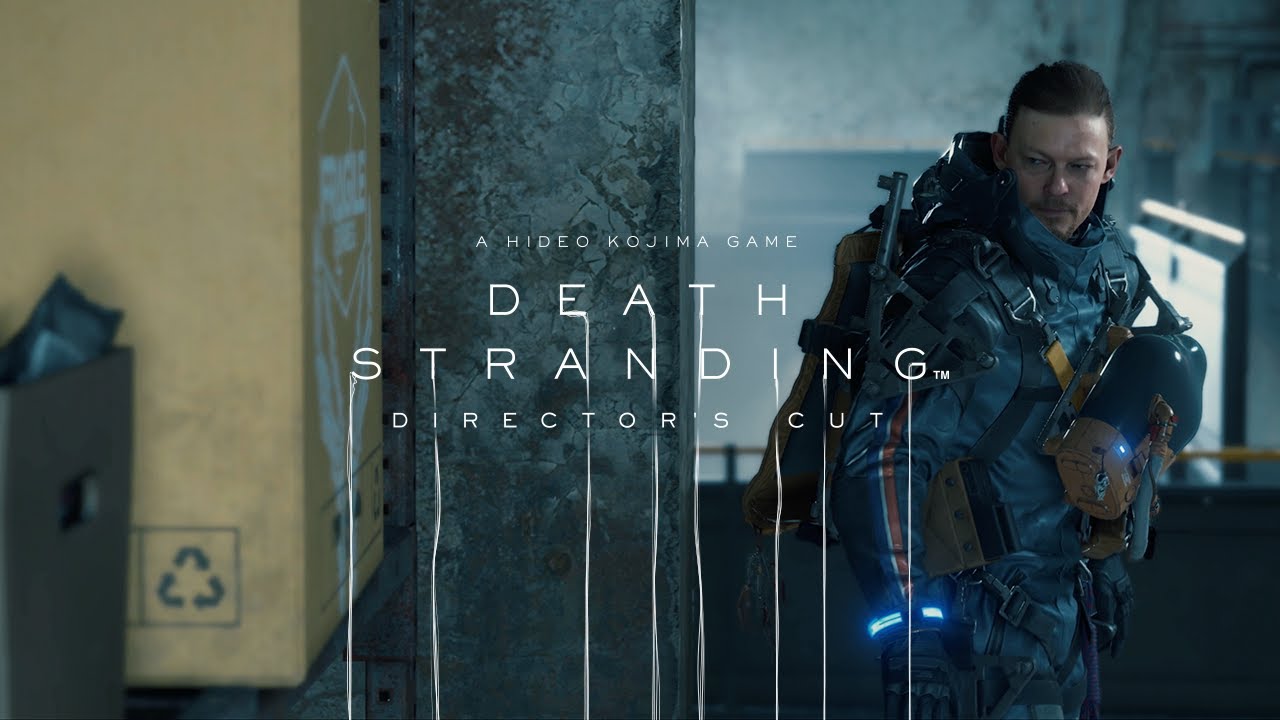
After spending over 120 hours traversing the post-apocalyptic landscape of Death Stranding Director’s Cut, I can confidently say it’s one of the most unique and thought-provoking games I’ve ever played. Hideo Kojima’s ambitious project isn’t just a game—it’s a meditation on connection, isolation, and what it means to be human. The Director’s Cut elevates the experience with new content and technical improvements that make this already extraordinary game even better.
Storyline
Set in a post-apocalyptic America devastated by the Death Stranding, the game follows Sam Porter Bridges (played by Norman Reedus), a porter tasked with reconnecting isolated colonies across the continent. The Death Stranding has opened a rift between the living and the dead, unleashing dangerous creatures called BTs (Beached Things) and causing Timefall—rain that ages everything it touches.
What makes the story so compelling is its emotional depth. Sam is a complex character struggling with his own past and the weight of his mission. As he travels across the continent, he encounters a cast of unforgettable characters, each with their own struggles and motivations.
Gameplay
Open World Exploration
The world of Death Stranding is a beautiful, haunting landscape:
- Rocky Mountains: Treacherous peaks that test your balance and endurance
- Rivers and Lakes: Crossing points that require careful planning
- Abandoned Cities: Ghostly remnants of a world that once was
- Timefall: A constant threat that ages everything it touches
I spent hours exploring this world, often stopping to take in the beauty of the desolate landscape. There’s something strangely peaceful about traversing the empty wilderness, with only the sound of Sam’s breathing and the wind in your ears.
Delivery Missions
At its core, Death Stranding is about delivery missions:
- Cargo Management: Carefully balance your load to avoid losing packages
- Terrain Navigation: Use tools like ladders and ropes to overcome obstacles
- Weather Adaptation: Plan your route around Timefall and other weather conditions
- BT Avoidance: Sneak past or fight the otherworldly creatures
- Structure Building: Construct bridges, roads, and shelters to aid your journey
I quickly learned that patience and planning are key. A well-planned route with proper equipment can make all the difference between a successful delivery and a frustrating failure.
Social Strand System
One of Death Stranding’s most innovative features is the Social Strand System:
- Shared Structures: See and use structures built by other players
- Helpful Items: Find supplies and equipment left by other porters
- Message System: Leave and read messages from other players
- Shared Resources: Contribute to the construction of large-scale projects
This system creates a sense of connection even in the vast emptiness of the game world. I still remember the first time I found a ladder left by another player that helped me climb a steep cliff, or a shelter that provided respite from a Timefall storm.
Combat
Combat in Death Stranding is tense and strategic:
- BTs: Invisible creatures that require special weapons and tactics
- MULEs: Package-stealing marauders that can be avoided or fought
- Terrorists: Armed enemies that require more direct combat
- Tools and Weapons: Use a variety of gadgets and weapons to overcome threats
I found that avoidance was often more effective than direct combat, especially when dealing with BTs. The tension of sneaking through a BT-infested area, heart pounding as your scanner beeps faster and faster, is unlike anything I’ve experienced in a game.
New Features in Director’s Cut
The Director’s Cut adds several significant improvements:
New Content
- New Story Mission: A compelling addition that expands on the game’s lore
- Fragile Circuit Race: A fun racing mode with customizable vehicles
- Combat Arenas: Challenging combat scenarios that test your skills
- New Equipment: Useful tools that make traversal and combat easier
The new story mission is particularly noteworthy, adding depth to the game’s narrative and providing more context for some of the characters.
Gameplay Enhancements
- Buddy Bot: A robotic companion that can carry cargo and follow you
- Cargo Catapult: Launch packages to distant locations
- Rideable Reverse Trike: A versatile vehicle that handles better than the original bike
- Jump Ramp: Launch vehicles over obstacles and gaps
- Floating Carrier: A drone that can transport cargo autonomously
The Buddy Bot became an invaluable companion, especially when carrying heavy loads. It’s amazing how much more manageable deliveries become when you have help.
Technical Improvements
- Enhanced Graphics: Stunning visuals with ray tracing that make the world even more immersive
- Faster Loading Times: Near-instant loading that keeps you in the experience
- Haptic Feedback: Immersive DualSense controller feedback that makes every step feel real
- 3D Audio: Spatial audio that helps you locate BTs and navigate the world
The haptic feedback is particularly impressive—you can feel the weight of your cargo, the rumble of vehicles, and even the rain falling on Sam’s suit.
Characters
Death Stranding features a star-studded cast of memorable characters:
- Sam Porter Bridges: A reluctant hero burdened by his past, brilliantly portrayed by Norman Reedus
- Amelie: Sam’s sister and the President of the United Cities of America, played by Lindsay Wagner
- Die-Hardman: Sam’s handler, a complex character with his own secrets, played by Tommie Earl Jenkins
- Fragile: A rival porter with a tragic past, played by Léa Seydoux
- Higgs Monaghan: The charismatic antagonist, played with perfect intensity by Troy Baker
- Clifford Unger: A former soldier haunted by his past, played by Mads Mikkelsen
The performances in Death Stranding are exceptional, with each actor bringing depth and humanity to their characters. The motion capture and facial animation are so realistic that you forget you’re watching digital characters.
Themes
Death Stranding explores several profound themes:
- Connection: The importance of human connection in a divided world
- Isolation: The psychological effects of being cut off from others
- Death: The nature of death and the afterlife
- Responsibility: The responsibility we have to future generations
- Hope: Finding hope in a seemingly hopeless world
What’s remarkable about Death Stranding is how it weaves these themes into gameplay. The Social Strand System isn’t just a gameplay mechanic—it’s a metaphor for how we’re all connected, even when we feel alone.
Personal Experience
My journey through Death Stranding was filled with memorable moments:
- The First BT Encounter: The terror of encountering my first BT, heart racing as I tried to sneak past
- Building My First Bridge: The satisfaction of constructing a bridge that would help both me and other players
- The Mountain Climb: The challenge of ascending the snowy mountains, battling harsh weather and fatigue
- The Emotional Climax: The game’s stunning conclusion, which left me in tears
- The Fragile Circuit Race: The thrill of racing across the landscape in a customized vehicle
What struck me most about Death Stranding is how it changed my perspective. The game’s message about connection and hope resonated with me deeply, especially during times of isolation.
Tips and Strategies
Here are some tips I wish I knew when I started playing:
- Plan Your Route: Use the map to plan your journey and avoid difficult terrain
- Manage Your Cargo: Balance your load and use cargo anchors to stabilize heavy loads
- Build Strategically: Construct structures in locations that will benefit both you and other players
- Use the Social Strand System: Take advantage of structures and items left by other players
- Upgrade Your Equipment: Invest in better boots, backpacks, and vehicles
- Take Your Time: Death Stranding is meant to be experienced at a slower pace
Conclusion
Death Stranding Director’s Cut is more than just a game—it’s an experience. Hideo Kojima has created something truly unique, a game that challenges traditional design conventions and explores deep, meaningful themes.
Whether you’re drawn to its unique gameplay, compelling story, or thought-provoking themes, Death Stranding has something to offer. It’s a game that stays with you long after you’ve finished it, making you think about your own connections to others and the world around you.
The Director’s Cut takes an already extraordinary game and makes it even better, with new content and technical improvements that enhance the experience. It’s not just the definitive version of Death Stranding—it’s a testament to the power of video games as an art form.
Image path: images/games/death-stranding-directors-cut.jpg